Photo @reskp
As the leaves fall and the first frost settles in, most people think the growing season is over. But if you look closely, you’ll see something else happening.
Seeds are dropping. Stalks are breaking. Meadows are going quiet, but they’re not done working.
This is the beginning of a cycle, not the end. And it’s the perfect time to try dormant seeding, especially if you want to invite more native herbs and resilient medicinals into your yard, meadow, or back alley next spring.
What Is Dormant Seeding?
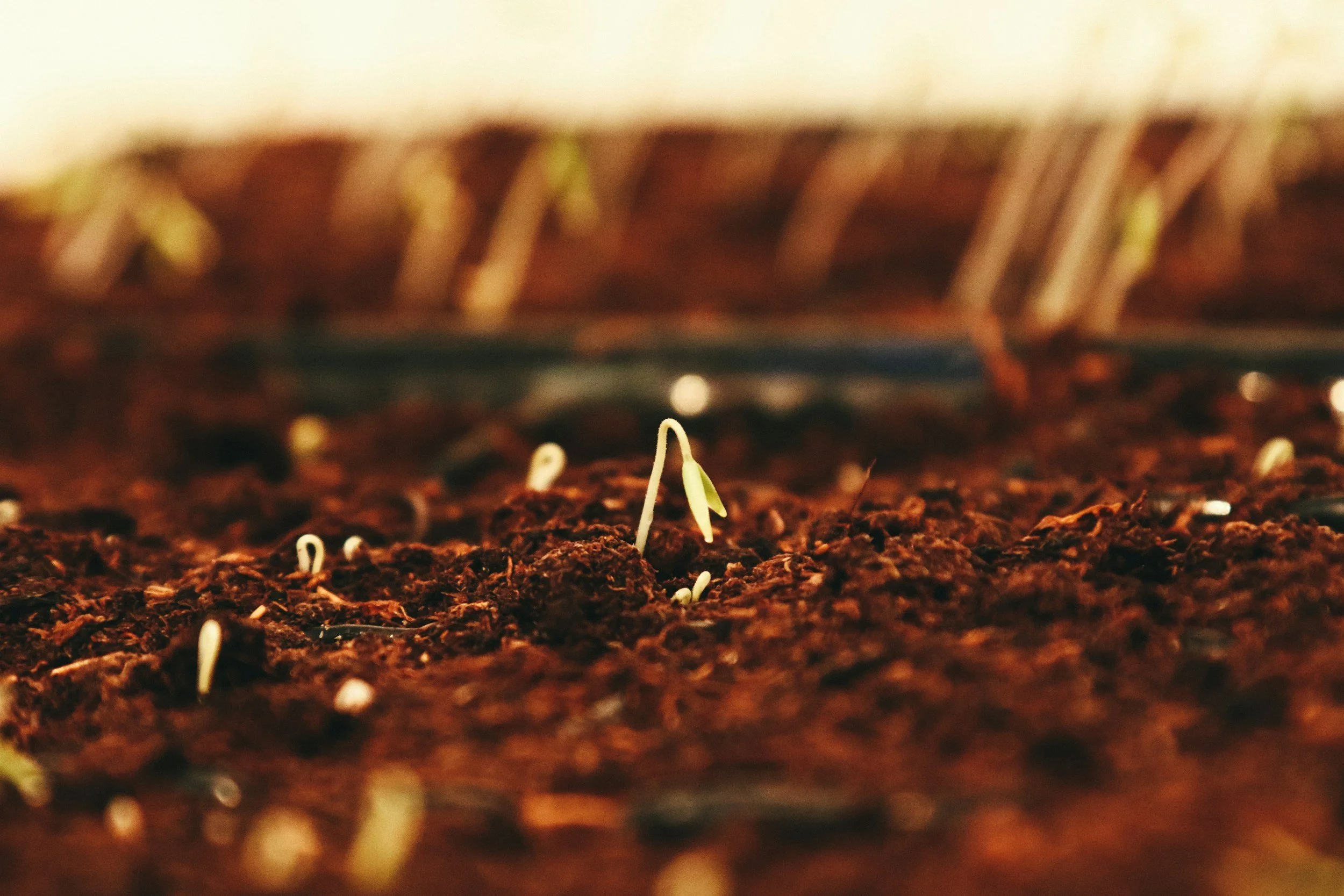
Dormant seeding is the practice of sowing seeds in late fall or early winter, once the ground is cold enough that seeds won’t sprout until spring. This mimics how wild plants naturally reproduce — dropping their seeds in autumn, which then overwinter in the soil and germinate when the conditions are right.
In other words, you’re planting now for what will bloom next year.
For those of us living in the Rocky Mountains and foothills — from Alberta down through Montana, Colorado, and beyond — dormant seeding is one of the most low-maintenance, high-reward ways to grow hardy herbs that can thrive in alpine and prairie conditions.
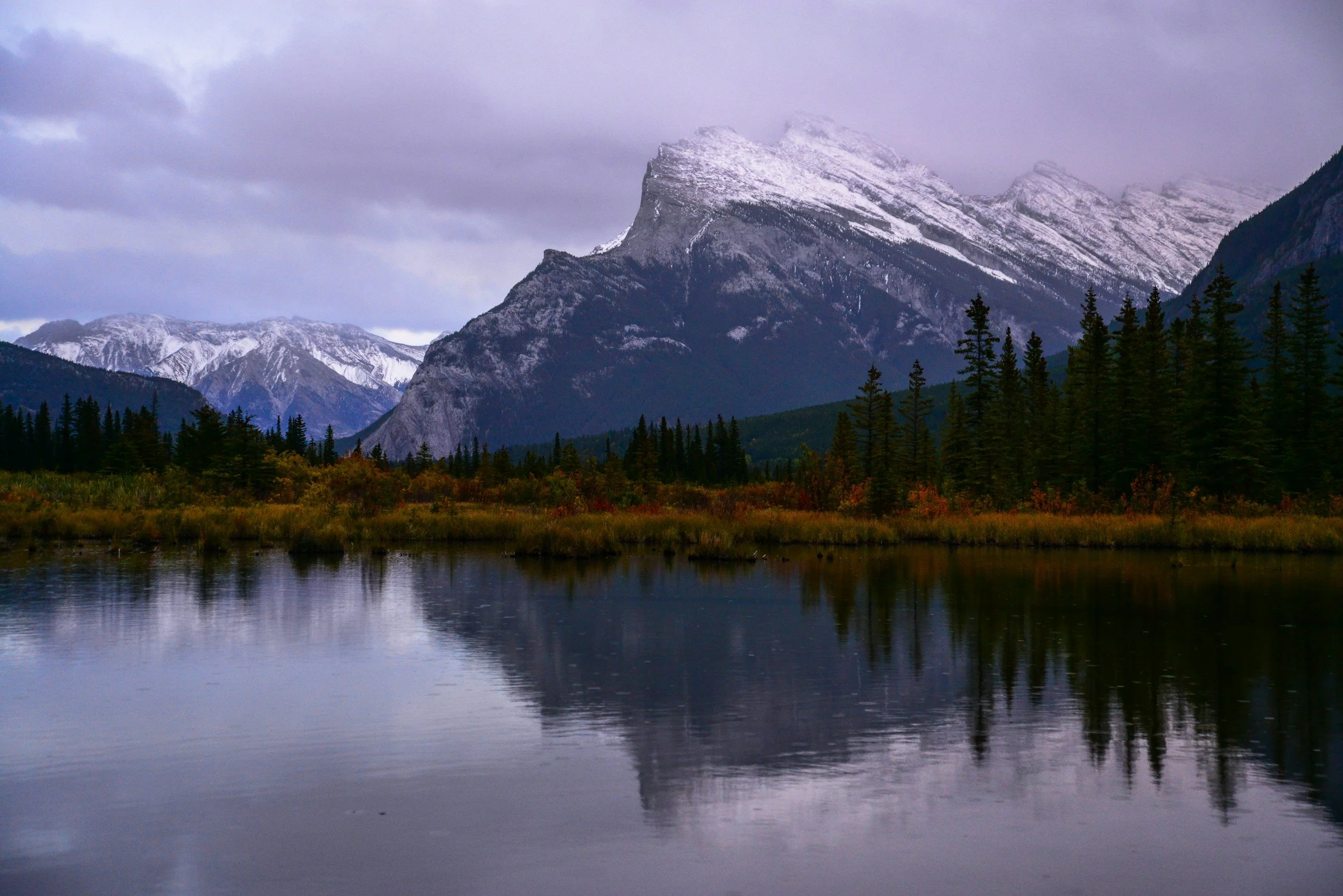
Photo @nunzg
Timing It Right (Especially in the Alberta Rockies)
To successfully seed in the fall, timing is everything. You want to wait until the ground is cold enough that seeds won’t accidentally sprout too early, but you don’t want the soil to be buried in snow yet.
In the Alberta Rockies (Zones 3b–4a), your sweet spot is:
Late October through early December, depending on elevation
Look for a period after several hard frosts
Ideal if snow is forecast in the next week
The soil should be cold, not frozen solid
At this point, seeds will stay dormant until longer daylight and warmer soil wake them up in spring.
Why It’s Worth Doing
Dormant seeding is ideal for native herbs and well-adapted medicinals because:
It reduces spring workload; no need to baby seedlings indoors
It improves germination for seeds that need cold stratification
It aligns with natural rhythms, helping the plants integrate into your ecosystem
It’s low water, low maintenance, and perfect for pollinators and permaculture plots
It also allows you to reclaim forgotten spaces like alleyways, slopes, and disturbed ground by inviting wild beauty and healing herbs to return.
Native Herbs to Plant This Fall
Native plants are well-suited to local conditions, require no fertilizer, and support wildlife and pollinators. These species can be dormant-seeded until late November, early December:
Photo @markuswinkler
Yarrow (Achillea millefolium)
Anti-inflammatory, wound-healing, pollinator favourite
Grows in full sun, lean soil, and even gravel
Extremely hardy and drought-tolerant
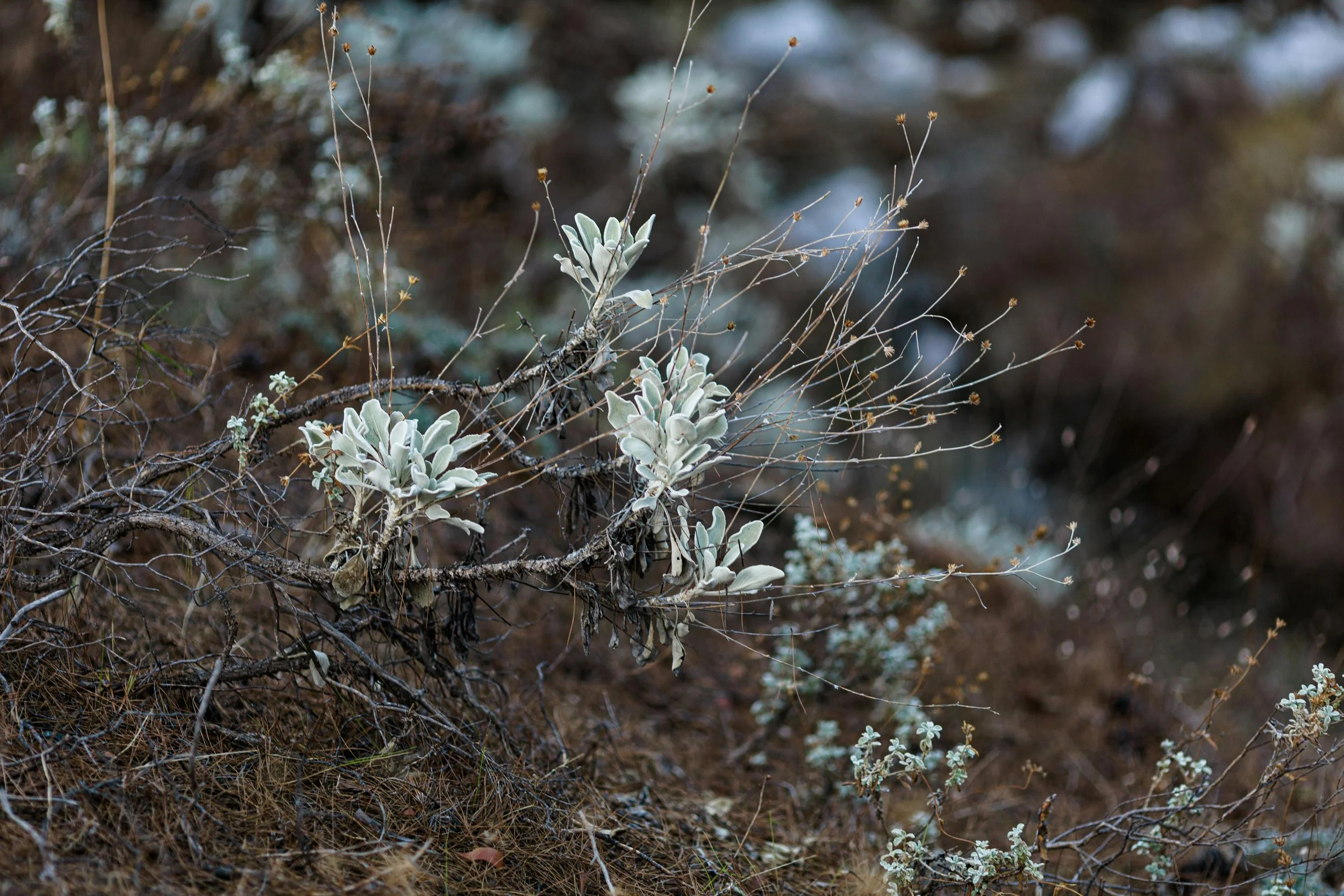
Photo @Alexander Popadin
Prairie Sage (Artemisia frigida)
Aromatic and traditional ceremonial plant
Helps stabilize poor soil and prevent erosion
Grows low to the ground with silvery leaves
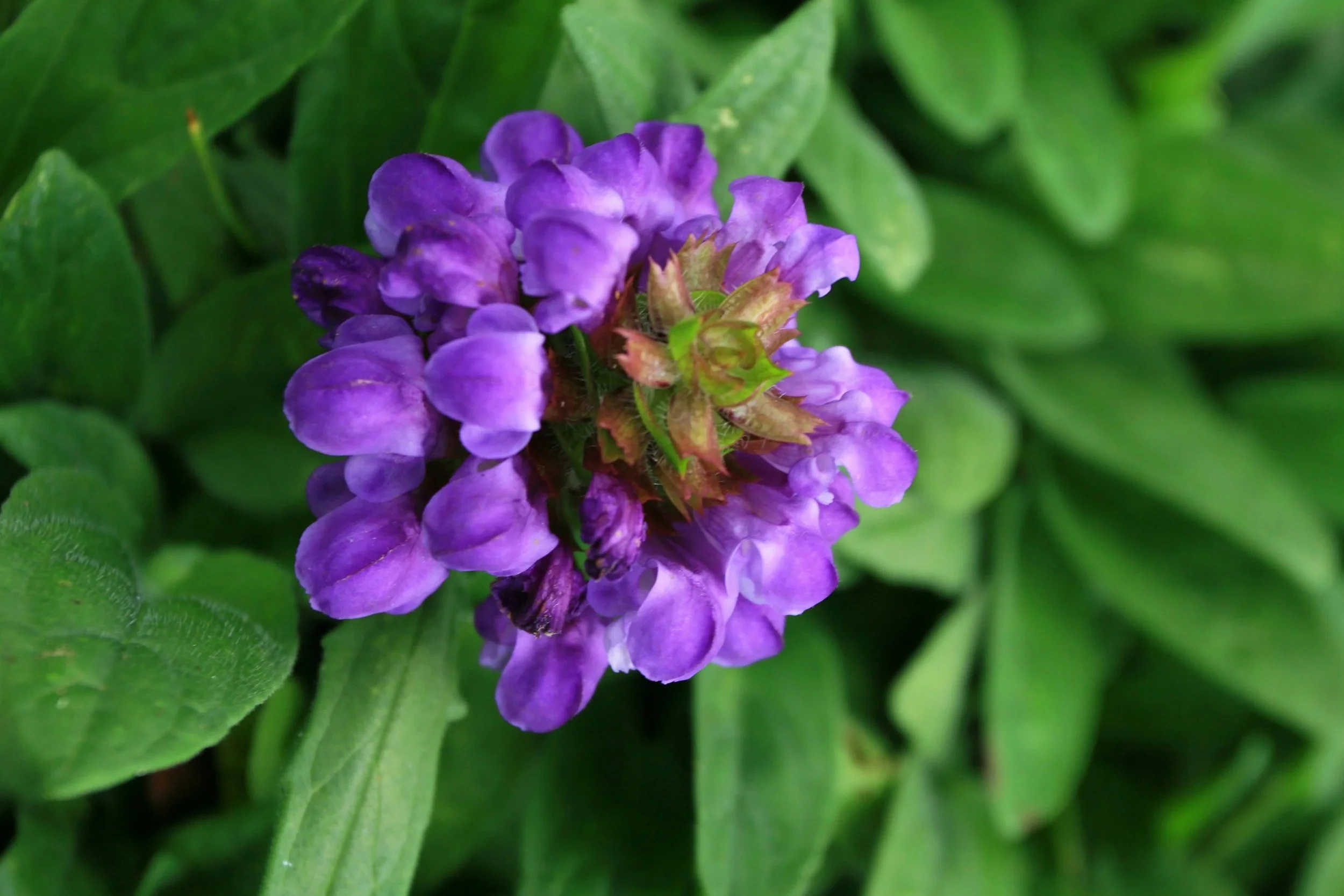
Photo @Jeffry Surianto
Self-Heal (Prunella vulgaris var. lanceolata)
Traditionally used for immune support
Creeping habit, purple flowers, good groundcover
Thrives in part sun with moderate moisture
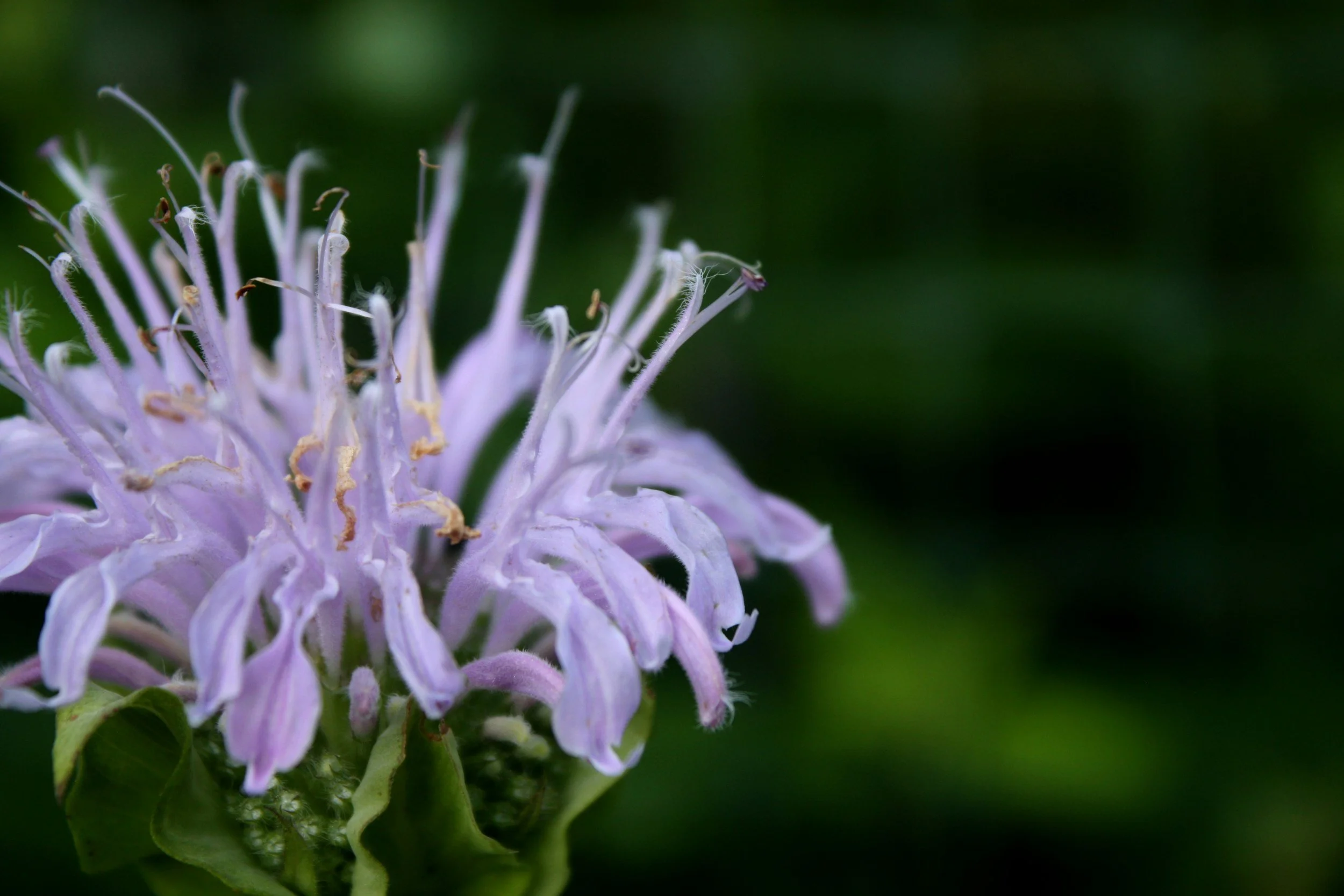
Photo @azborus
Wild Bergamot (Monarda fistulosa)
Fragrant, bee-friendly, used for cold-season teas
Great for dry, sunny spots
Spreads well once established
Non-Native But Beneficial Medicinals
While not native to the Rockies, these herbs are non-invasive, hardy, and beneficial — and they thrive with fall planting in Zones 3–4.
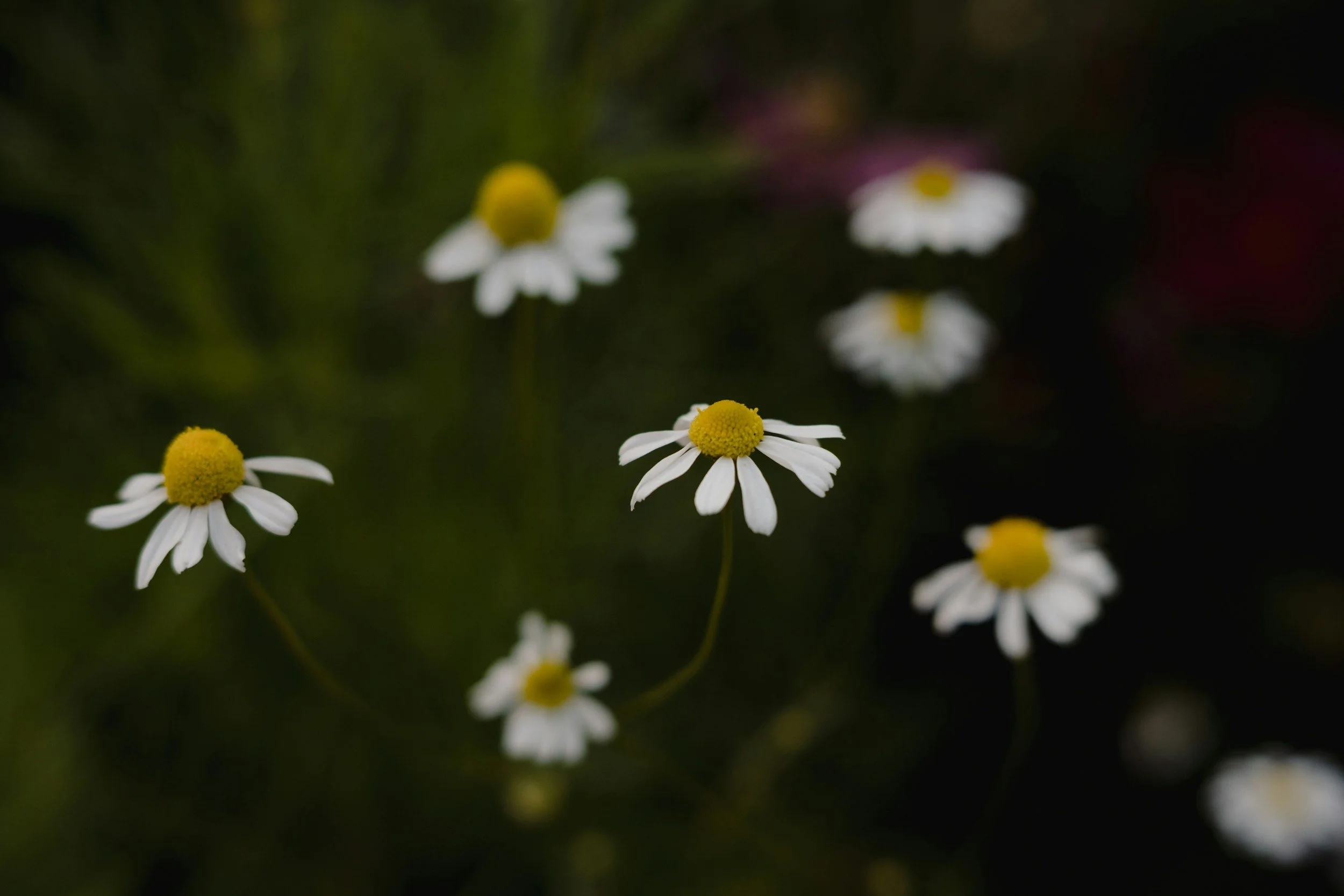
Photo @missmeg_mac
Chamomile (Matricaria chamomilla)
Calming tea herb
Cold-hardy annual that readily self-seeds
Prefers full sun and well-drained soil
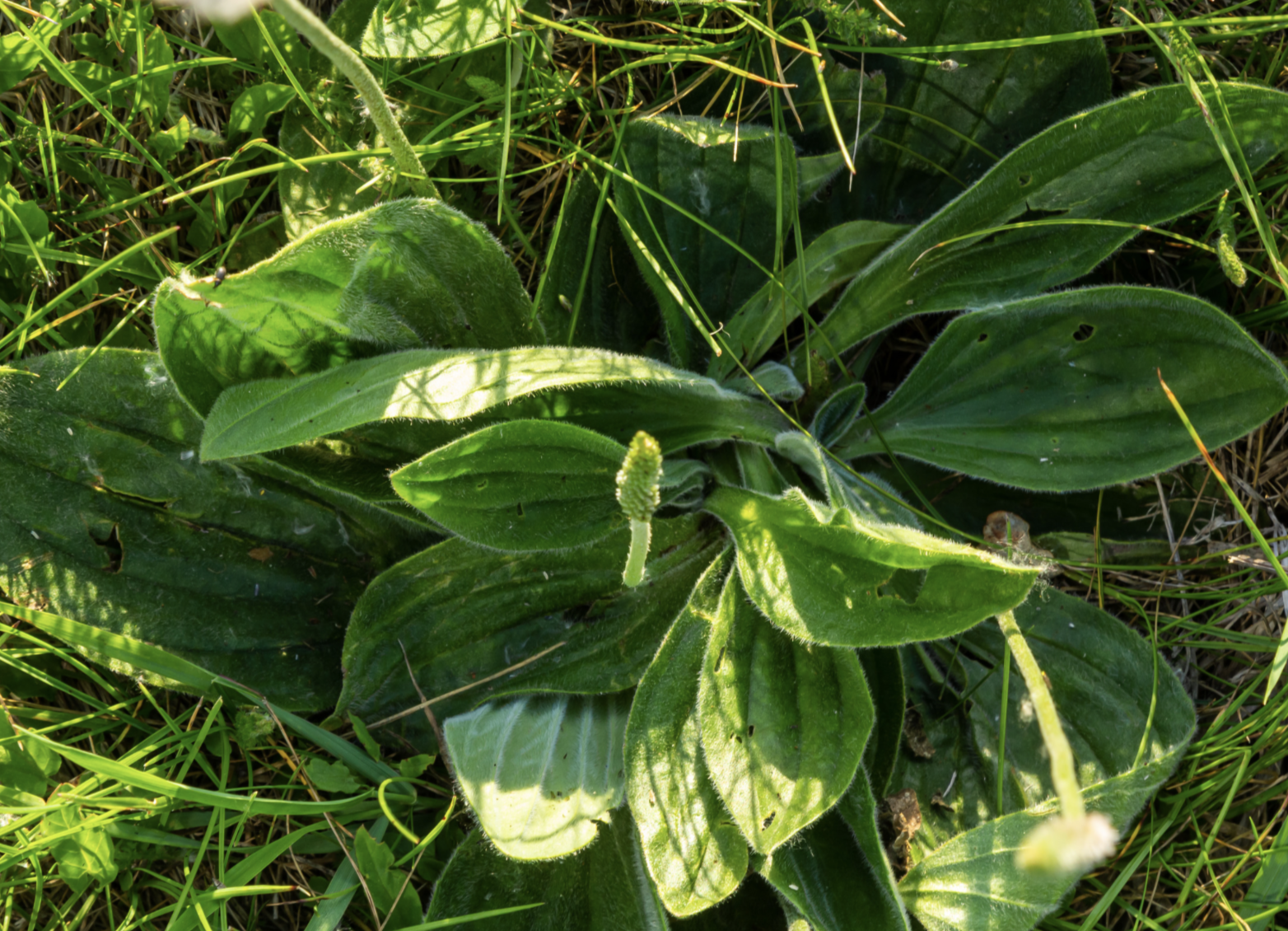
Photo @Oleg
Plantain (Plantago major, P. lanceolata)
Skin-soothing, wound-healing leaf
Grows in compacted or disturbed soils
Naturalized across North America
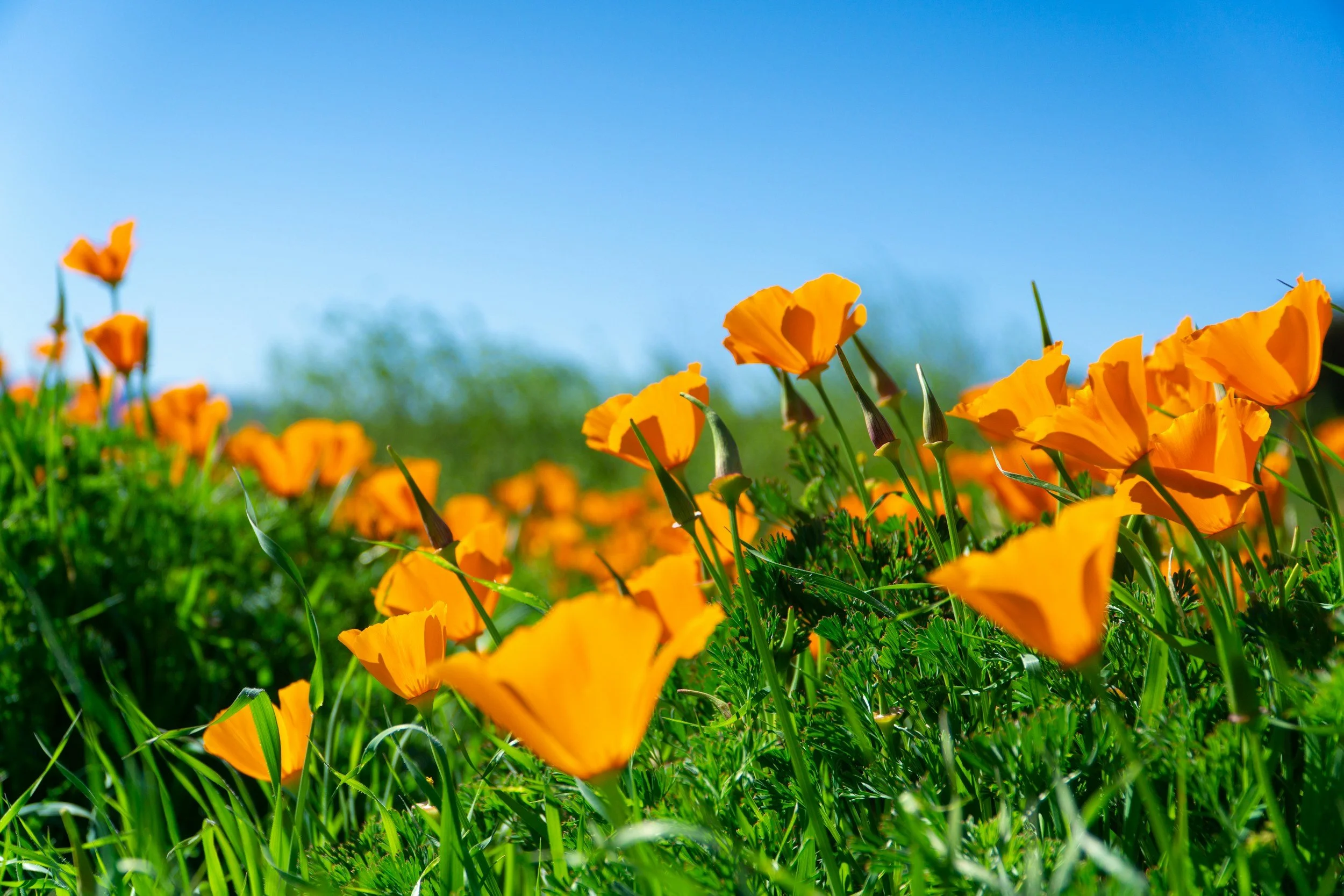
Photo @spencer_demera
California Poppy (Eschscholzia californica)
Mild nervine and sleep support herb
Loves gravelly, low-fertility soil
Delicate orange blossoms draw pollinators
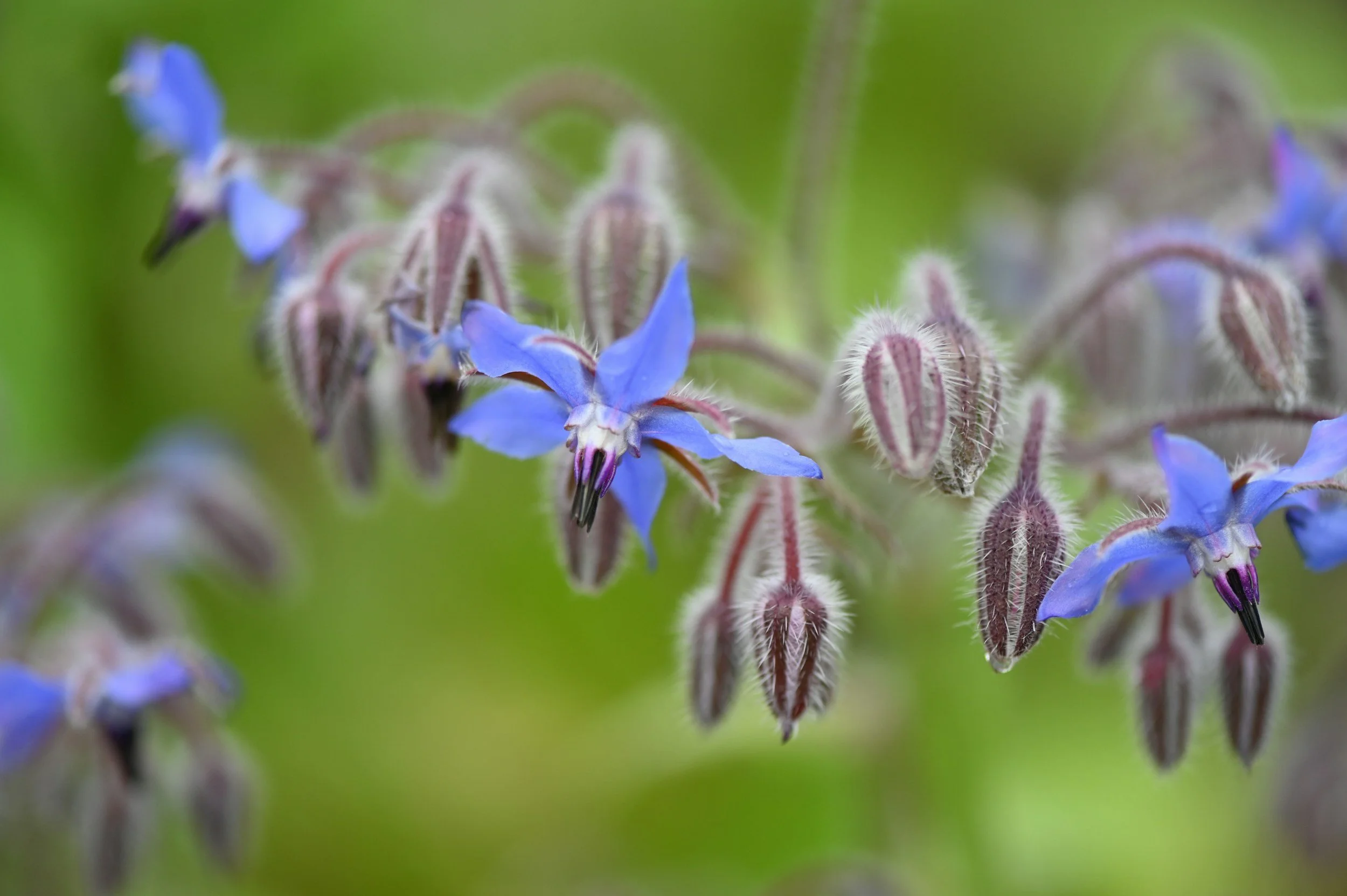
Photo @kfionnm
Borage (Borago officinalis)
Supports adrenal health, skin, and pollinator populations
Edible flowers and leaves
Easy to grow and tolerates frost
How to Do It: Step-by-Step
Wait for a hard frost, seeds should not germinate in fall
Choose your site: sunny, undisturbed, or lightly worked
Scatter your seeds on bare soil or a raked surface
Press gently into the soil (don’t bury deeply)
Water once (optional) if it’s very dry, or let the snow do it
Mark your area so you don’t disturb it in spring
That’s it. No mulching. No fussing. Just patience.
Fall is a time when everything looks like it’s ending, but underneath, there’s a quiet beginning.
Dormant seeding is one of the simplest and most intuitive ways to reconnect with the land and support your herbal journey. Whether you're reclaiming a corner of your yard, restoring a patch of native prairie, or just want a little more wild beauty outside your window, now is the perfect time to start.